A Structural Orientation to the Submetaphysics Framework
This page provides a high-altitude structural map of the Submetaphysics framework, showing how its core ontological commitments, diagnostic instruments, and applied analyses relate to one another.
The framework is not a flat collection of essays. It is a layered architecture, governed by jurisdictional boundaries. Each section performs a specific function, and misordering them produces illusion, category error, or false coherence.
Ontology defines what is.
Syntax constrains what may be formed.
Instantiation commits reality.
Diagnostics test what has been claimed.
What follows is a cartography, not a summary.
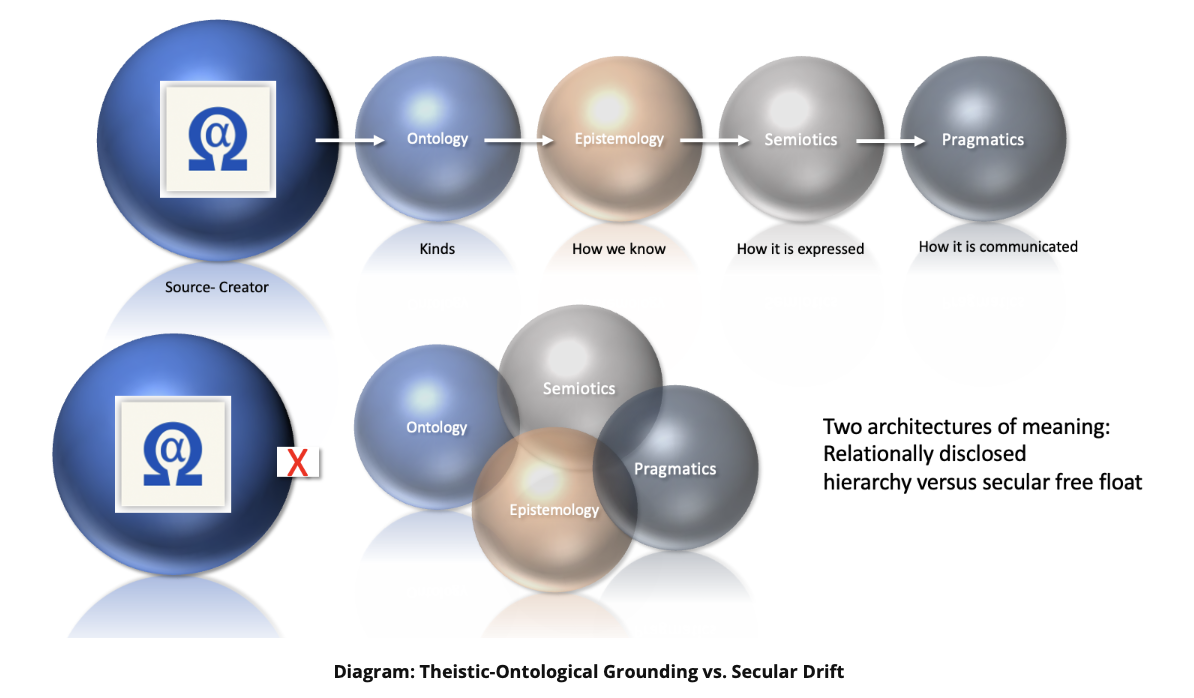
Every system rests on a starting point. This section exposes the false neutrality of secular foundations and anchors meaning in revealed reality.
This establishes:
This page orients the entire framework.
🔗
Prologue and Presuppositions
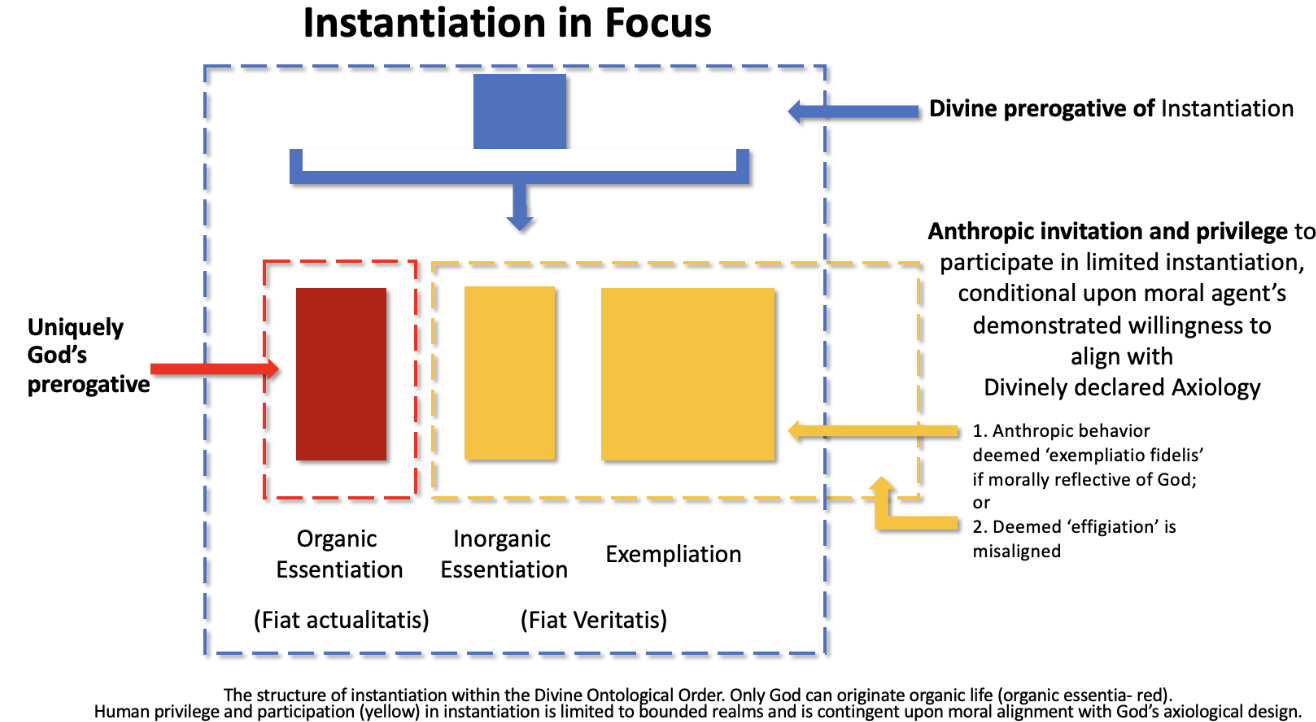
Truth is not constructed but revealed. Being flows from the One who is.
The impossibility of neutral ontology
🔗 Ontology Part I
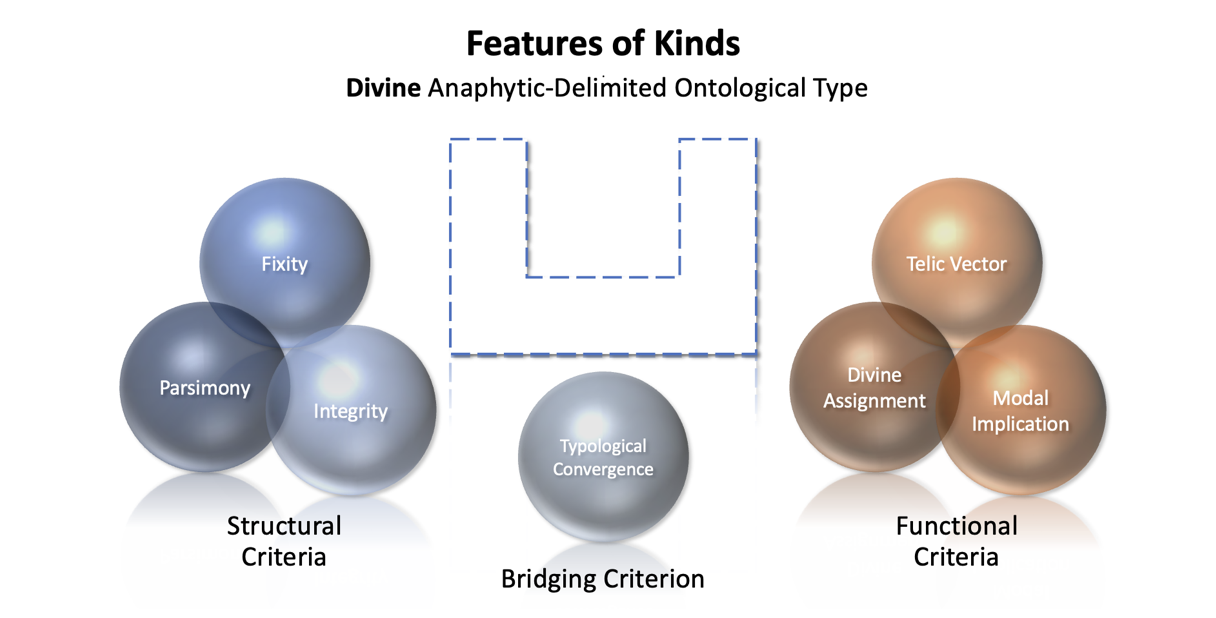
Not everything that can be named can exist.
Establishes:
Reality cannot be reset once instantiated.
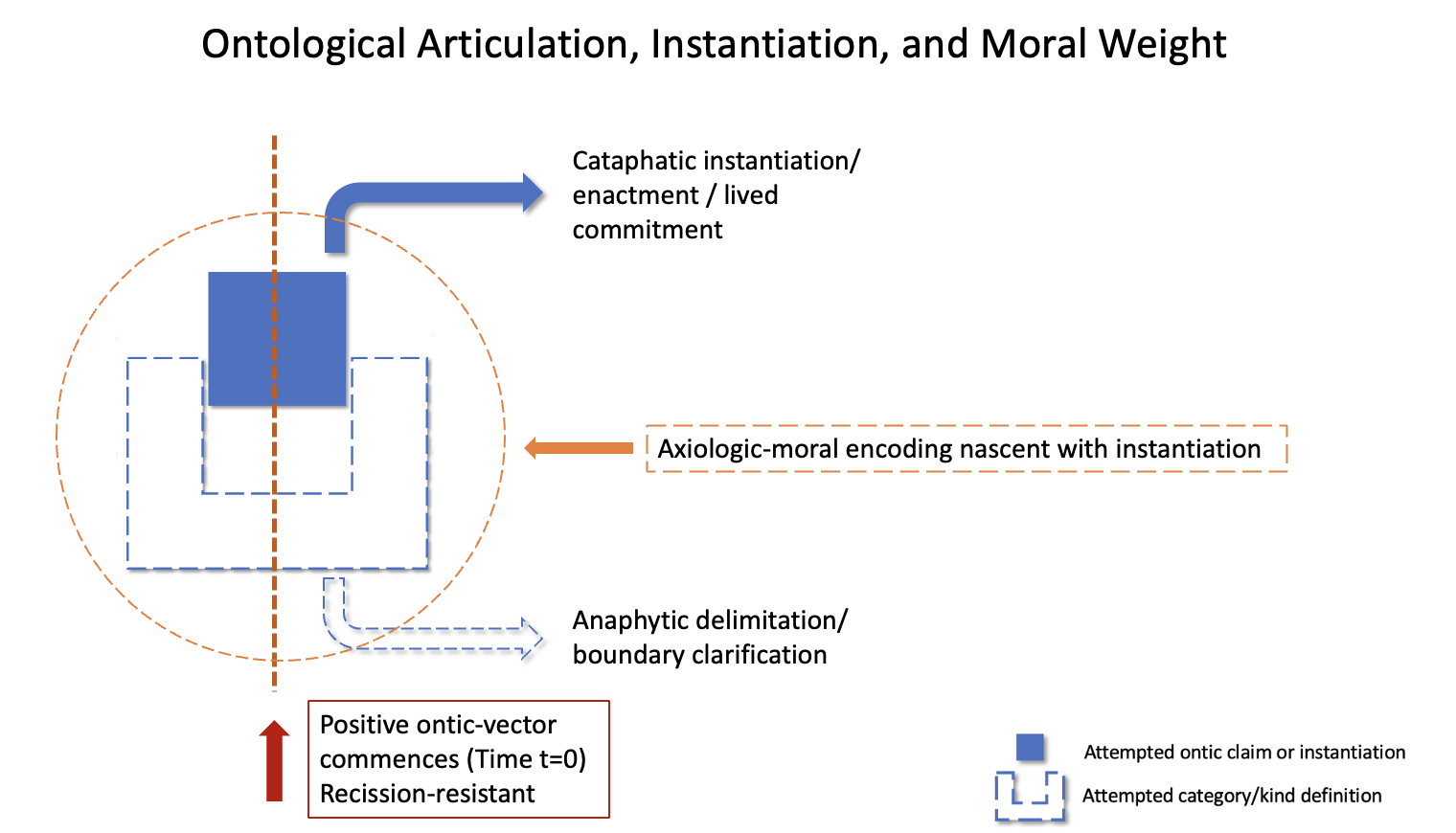
Establishes:
This appendix does not introduce a separate ontology, but clarifies and stabilises the ontological commitments already established.
Clarifies:
Formalises:
Demonstrates:
Grounds:
These tools operate only after ontology has been established. They do not define being; they test claims against being.
Clarifies:
Serves as a gateway to the diagnostic suite.
See 🔗 Ontology Part II and 🔗 AppendixD01
Reframes classical philosophical arguments through the TCO, showing that critique is parasitic on ontology.
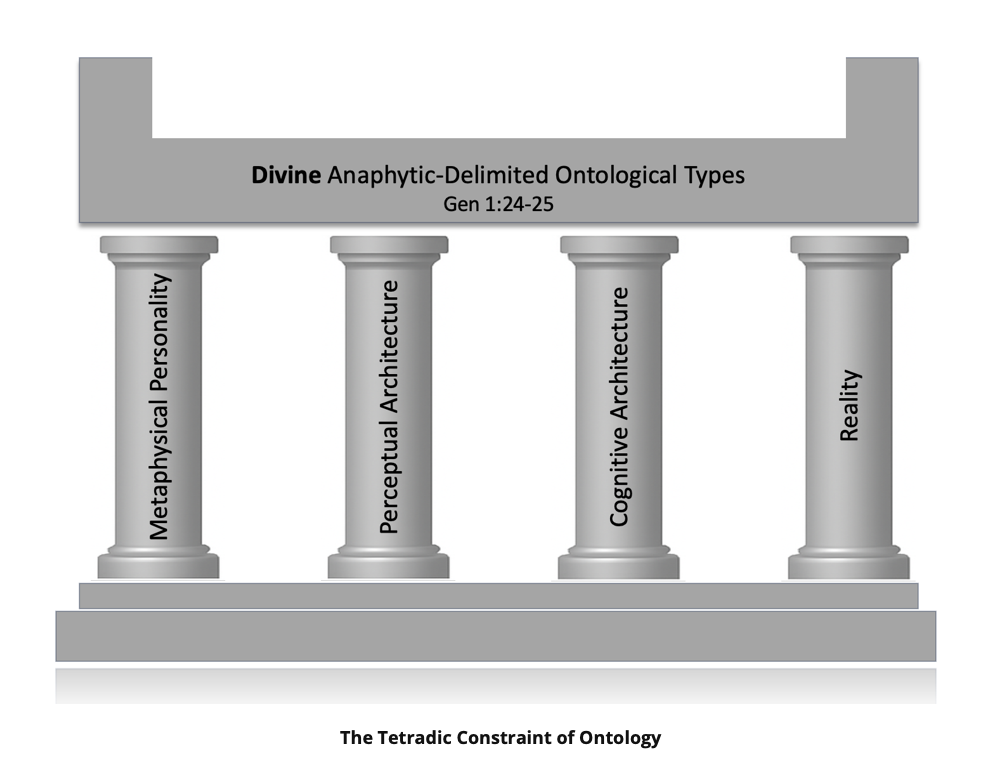
Applies the TCO to Kant, Husserl, Heidegger, Chomsky, and others, demonstrating structural collapse where ontological grounding is denied.
A unified diagnostic method for:
Jurisdiction note: OCBM applies to relational claims. It does not govern category formation itself.
Ontological syntax governs how categories may be articulated at all, prior to:
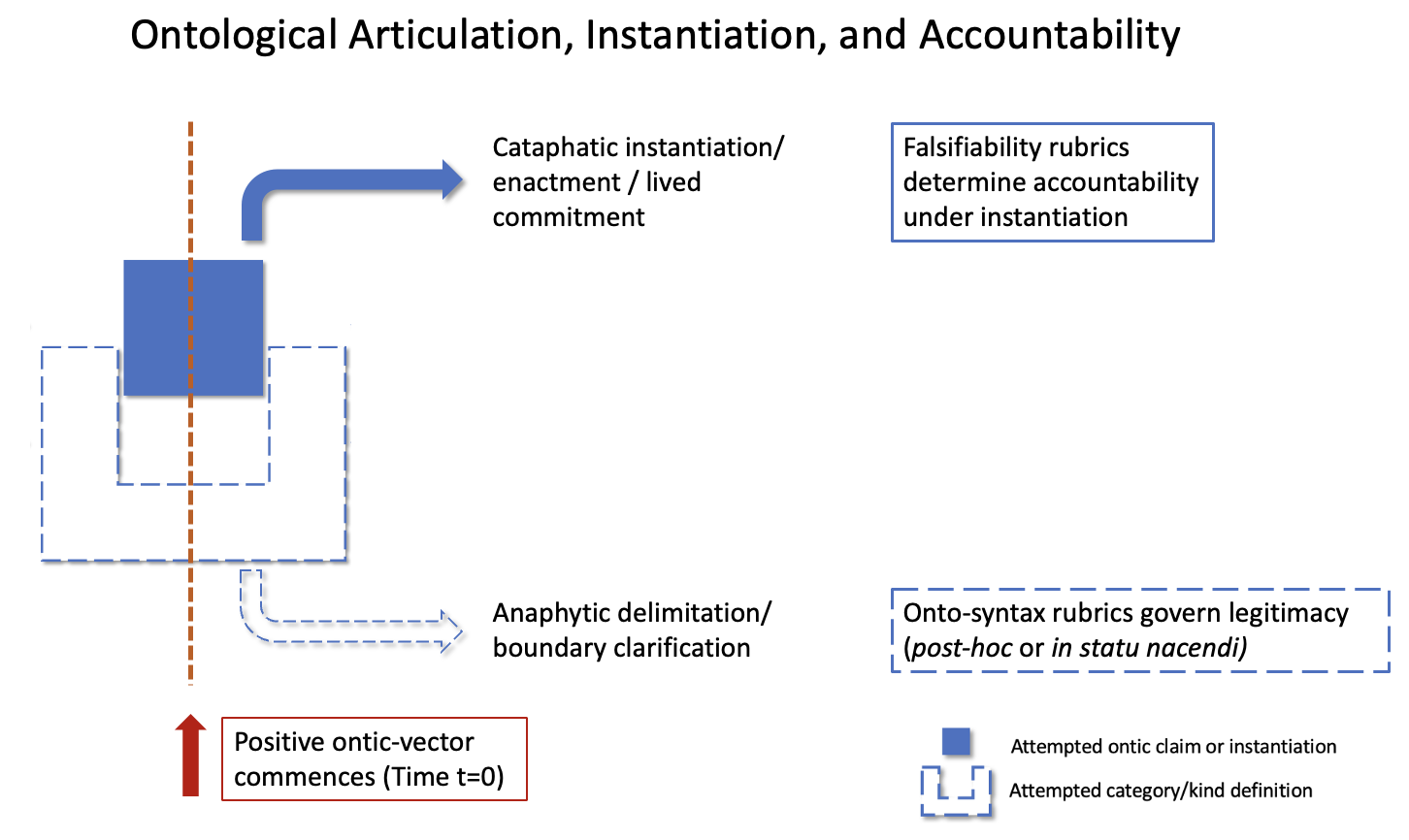
It supplies negative constraints:
Application:
Positive Constraints on Cataphatic Instantiation
Function Defines the accountability conditions that apply after an ontic kind has been positively instantiated.
Jurisdiction
Operates On
Does Not Operate On
Core Test Exposure to: time, cost, consequence, recognisable failure
Meaning of “Falsifiability” (Scoped) Ontological exposure of an instantiated commitment to real loss or failure.Not logical negation. Not empirical testing. Not statement evaluation.
Application Mode
Failure State Instantiations that evade exposure, cost, or consequence are accountability-void.
🔗Ontological Falsifiability and Accountability
These explain why ontology is repeatedly bypassed, even without malice.
Explains:
These tools prevent semantic decay after ontology is secured.
Includes:
These are protective disciplines, not ontology itself.
All remaining essays — theology, culture, economics, governance, sexuality, art, speech, technology — operate downstream of ontology.
They do not revise ontology.They expose consequences of alignment or misalignment.
Violation of order produces illusion, not insight.
This framework is not additive. It is hierarchical.
Once ontology is restored, everything else becomes visible.